


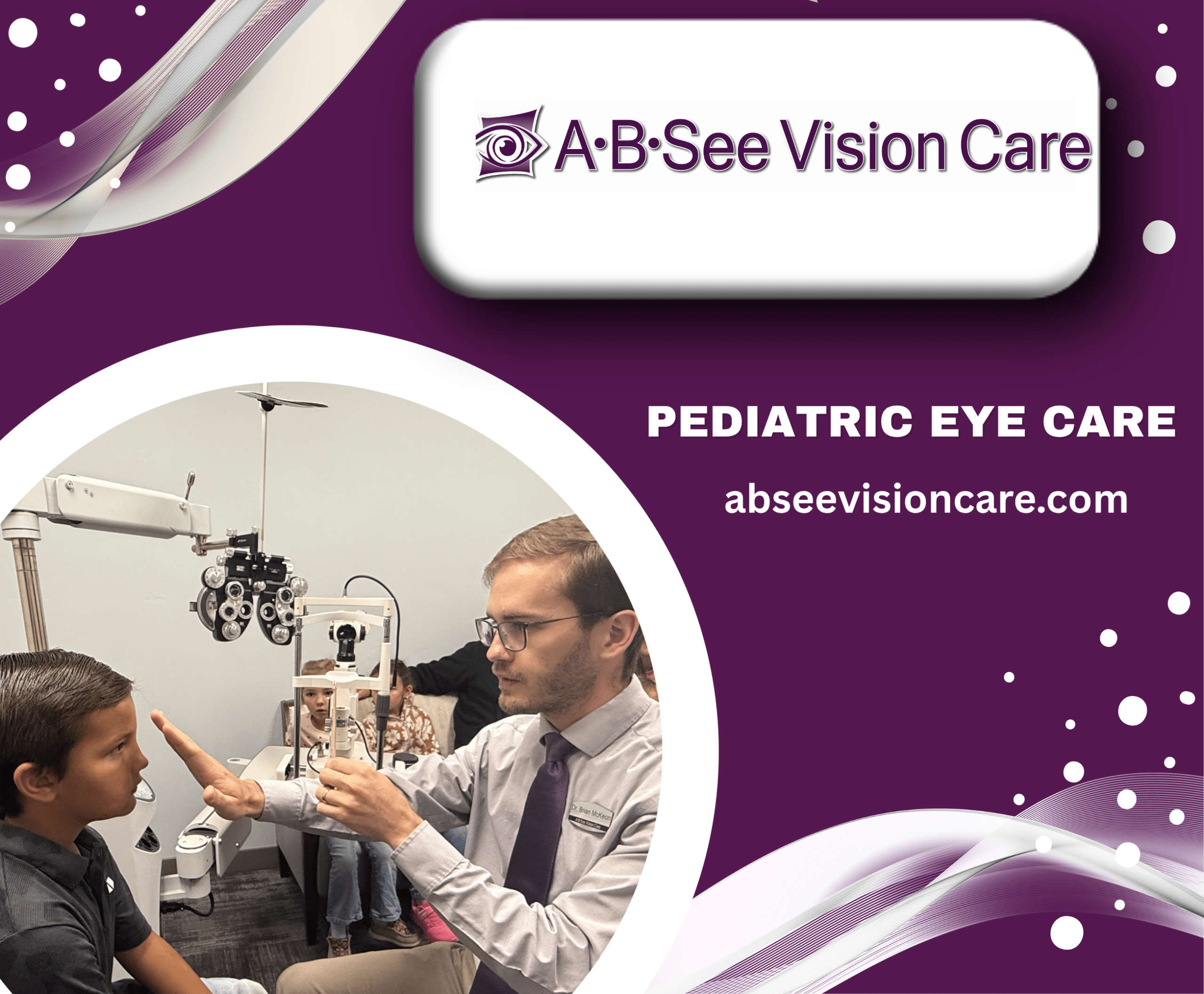
A Pediatric Doctor’s Advice on Protecting Your Children’s Eye Health in the Digital Age
Like it or not, children are spending more time than ever on screens—whether for school, entertainment, or social connection. While technology offers undeniable benefits, it also presents unique challenges to your child’s eye health. Pediatric eye care professionals have become aware of how digital habits affect vision, and we want to share practical advice to help parents safeguard their children’s eyesight.
Children’s eyes, the digital age, and pediatric eye care?
Children are being exposed to screens earlier and for longer periods than ever before. This constant near-focus activity can affect their developing vision. We see many young patients experiencing digital eye strain, headaches, and even early signs of myopia. With proper pediatric eye care, these issues can be managed and prevented.
- Increased risk of myopia (nearsightedness) from prolonged screen use
- Digital eye strain causes headaches, blurred vision, and dry eyes
- Reduced outdoor activity, which is vital for eye development
- Sleep disruption from blue light exposure
How does our pediatric eye care support your child’s vision
Your child’s eyes are still developing, making them more vulnerable to lifestyle habits. Schedule yearly eye exams
Regular eye exams allow us to detect problems early and provide solutions before they affect learning or behaviour. At A-B-See Vision Care, we tailor our exams to children’s needs, ensuring they feel comfortable while receiving thorough care.
Yearly eye exams can aid in:
- Early detection of vision problems before they impact school performance
- Guidance on safe screen time management
- Customized vision therapy for developmental concerns
- Monitoring for conditions like strabismus or amblyopia
- Professional advice suited to your child’s lifestyle
-
Follow child vision care seriously—practical tips
We encourage families to adopt healthy screen habits at home. Simple adjustments can make a big difference in reducing strain and supporting long-term eye health.
- Limit recreational screen time to two hours daily
- Follow the 20-20-20 rule: every 20 minutes, look 20 feet away for 20 seconds
- Ensure proper lighting to reduce glare
- Keep screens at least arm’s length away
- Promote outdoor play to support healthy vision
-
Our very popular vision therapy
Some children struggle with focusing, tracking, or coordinating their eyes, especially with heavy digital use. Vision therapy is the core part of our pediatric eye care. It helps strengthen these skills, improving both academic and social performance.
- Improves eye coordination and focus
- Enhances reading ability and comprehension
- Reduces symptoms of digital eye strain
- Builds confidence in school and sports
- Supports long-term visual development
Our team at A-B-See Vision Care designs vision therapy programs specifically for children.
2. Controlling Myopia
Myopia is rising among children due to screen habits and limited outdoor activity. If left unchecked, it can progress quickly. As a part of our child vision care, we offer modern treatments to slow its development and protect long-term eye health.
- Orthokeratology (Ortho-K) lenses are worn overnight
- Special multifocal contact lenses
- Prescription eye drops to slow progression
- Lifestyle recommendations including outdoor play
Parents concerned about myopia can schedule an exam with us to explore these options.
Patients can now book their slot for their child’s vision exam!
To get your appointment, click on “Schedule Your Exam” and follow the steps
It is designed to streamline the process of making an appointment with A-B-See Vision Care.
Key Features:
- Select Location: Choose the clinic location where you want the exam.
- Select Service: Options include:
- New Patient – Comprehensive Eye Exam
- Established Patient – Comprehensive Eye Exam
- Dry Eye Evaluation
- Select Provider: You can book with one of the available doctors.
- Dr. Scott Hyatt
- Dr. Brian McKeon
- Dr. Jordan Evans
- Dr. Lisa Porter
- Schedule Confirmation: Once you select the service and provider, you confirm the date and time.
How It Works Step by Step
- Choose Location – The system may list multiple clinic sites.
- Pick Service Type – Decide if you need a new patient exam, a follow-up, or a specialized evaluation.
- Select Provider – Choose the doctor you prefer from the list.
- Confirm Appointment – Finalize the booking with date and time.
- Powered by ScheduleYourExam.com – The platform manages the scheduling securely.
The bottom line
Protecting your child’s vision in the digital age requires both healthy habits at home and professional guidance. With regular pediatric eye care, exams, tailored treatments, and expert advice, we can help ensure your child’s eyes develop properly and remain strong. At A-B-See Vision Care, we are committed to partnering with families to safeguard children’s eyesight. Don’t wait—schedule your child’s eye test today and take the first step toward lifelong healthy vision.
Frequently Asked Questions
1. Why does my child need a pediatric eye exam?
Children’s eyes are still developing, and many vision problems can go unnoticed until they affect learning or behavior. A pediatric eye exam helps detect issues early, ensuring your child can see clearly and perform their best in school and daily life.
2. How often should my child have their eyes checked?
Most children should have their first eye exam before age one, another around age three, and then before starting school. After that, yearly exams are recommended to monitor changes and catch problems early.
3. What signs should I look for that my child may have vision problems?
Common signs include squinting, frequent headaches, sitting too close to screens, rubbing eyes often, or struggling with reading. If you notice these behaviors, it’s important to schedule an exam promptly.
4. How does screen time affect children’s eyes?
Extended screen use can cause digital eye strain, blurred vision, and increase the risk of myopia (nearsightedness). Following the 20-20-20 rule and limiting recreational screen time helps reduce these risks.
5. What treatments are available if my child has vision issues?
Depending on the diagnosis, treatments may include glasses, vision therapy, or myopia control options like specialized lenses. Pediatric eye doctors tailor solutions to each child’s needs to ensure healthy visual development.
Recent Posts
 Apr 16, 2026A Pediatric Doctor’s Advice on Protecting Your Children’s Eye Health in the Digital Age
 Mar 12, 2026Why Your Dry Eye Symptoms May Not Be Improving and What You Can Do?
 Mar 24, 2025Can Your Diet Improve Eye Health? Nutrients That Help Prevent Eye Diseases
 Mar 19, 20253 TOOLS TO HELP WITH DRY EYE DISEASE
 Nov 7, 2023Your Guide to the Different Types of Pink Eye and How to Treat Them