


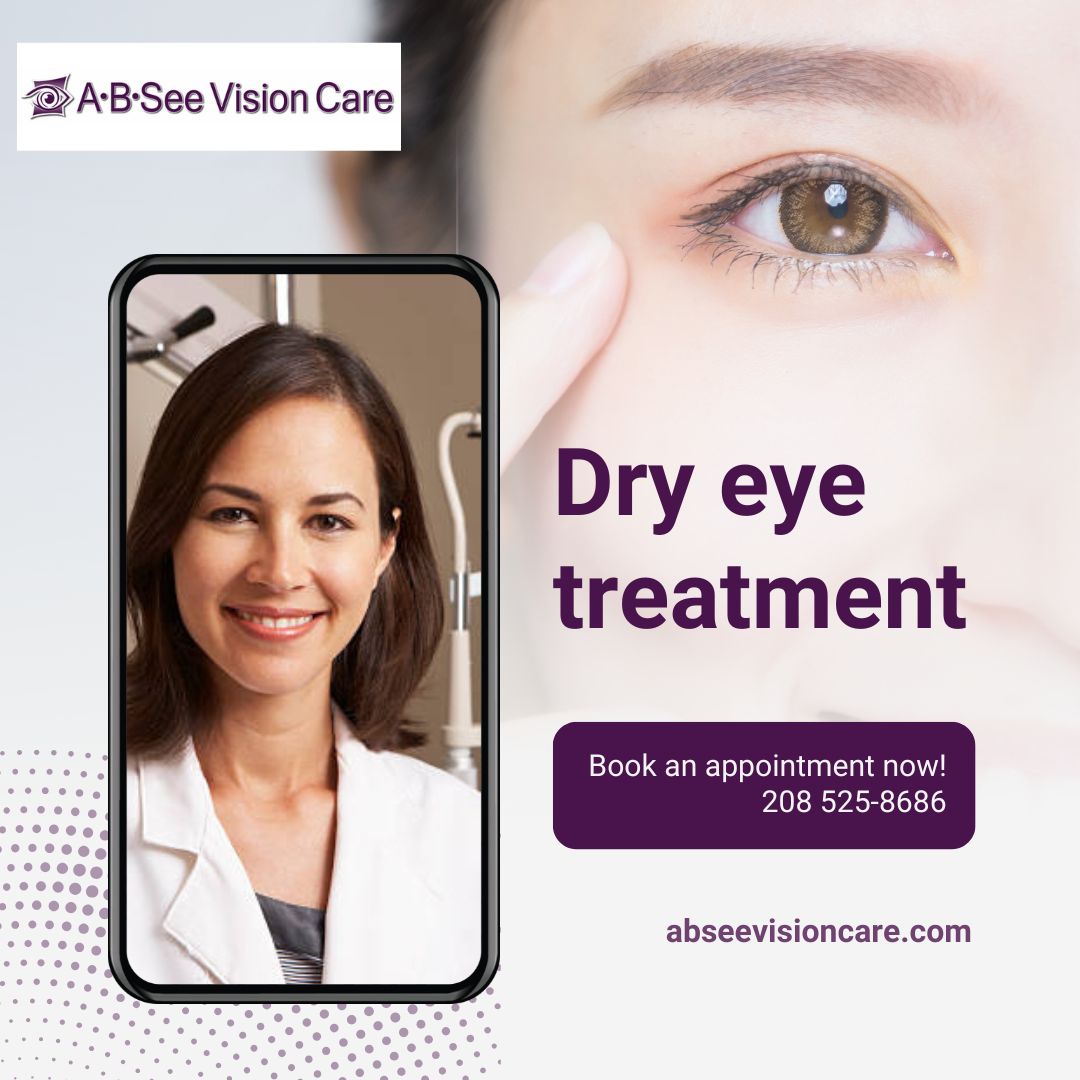
Why Your Dry Eye Symptoms May Not Be Improving and What You Can Do?
If you’ve been following a dry eye treatment plan but still feel like your eyes are burning, irritated, or constantly tired, you’re not alone. Many patients wonder why their symptoms don’t improve even with regular use of drops or other therapies. As your doctor, I want to help you understand the reasons behind this frustration. In this blog, you’ll learn why treatments sometimes fall short and what practical steps you can take to finally find relief.
Why Your Dry Eye Symptoms May Not Be Improving
While you have been trying your best to deal with it and even tried the so-called “best treatment for dry eye,” nothing seems to work. Here are some of the core symptoms.
1. You’re Treating the Symptoms, Not the Cause
Artificial tears can provide temporary comfort, but they don’t always address the root problem. Dry eye disease may stem from poor tear quality, eyelid inflammation, or systemic conditions. Without targeting the underlying issue, even the best treatment for dry eye will feel incomplete.
2. Inconsistent Use
Relief requires consistency. Skipping prescribed drops, neglecting eyelid hygiene, or forgetting warm compresses can reduce effectiveness. Just like managing blood pressure, dry eye treatment works best when it’s part of your daily routine.
3. Environmental and Lifestyle Factors
Your surroundings matter. Air conditioning, heating, prolonged screen time, or windy environments can worsen dryness. Even with the best dry eye treatment plan, constant exposure to these triggers may undo progress.
4. Incorrect Application of Drops
Technique is important. Touching the bottle tip to the eye, blinking too quickly, or using drops at the wrong intervals can reduce effectiveness. Proper application ensures your dry eye treatment works as intended.
5. Other Health Conditions
Autoimmune diseases, hormonal changes, or medications like antihistamines can worsen dryness. If these aren’t addressed, symptoms may remain stubborn despite treatment.
What You Can Do to Improve Your Dry Eye Treatment
1. Get a Comprehensive Eye Exam
If your symptoms aren’t improving, revisit your doctor. A detailed exam can uncover whether you have evaporative dry eye, aqueous deficiency, or another condition that requires the best treatment for dry eye tailored to your needs.
2. Follow a Consistent Routine
Make your care part of your daily schedule. Use prescribed drops as directed, apply warm compresses regularly, and practice eyelid hygiene. Consistency is the foundation of effective dry eye treatment.
3. Adjust Your Environment
- Use a humidifier indoors.
- Follow the 20-20-20 rule for screen breaks.
- Wear wraparound glasses outdoors to protect against wind.
4. Improve Your Diet
Omega-3 fatty acids (from fish, flaxseed, and walnuts) can improve tear quality. Staying hydrated also supports healthy tear production.
5. Discuss Advanced Options
If standard drops aren’t enough, ask your doctor about the following:
- Prescription anti-inflammatory eye drops.
- Punctal plugs to reduce tear drainage.
Light therapy or eyelid treatments for meibomian gland dysfunction.
- These may be considered the best treatment for dry eye when conventional methods fall short.
When to Seek Professional Help
Dry eye can often be managed with lifestyle changes and over-the-counter remedies, but there comes a point when professional intervention is necessary. And guess what? ABSee Vision Care is at your rescue.
1. Signs Your Condition Is Worsening
- Persistent burning, stinging, or gritty sensation despite regular use of artificial tears
- Blurred vision that interferes with reading, driving, or daily tasks
- Increased sensitivity to light or ongoing redness
- Dependence on eye drops without lasting relief
2. How an Eye Specialist team at ABSee Vision Care Can Tailor Treatment
- Conducting a thorough evaluation to identify whether the issue is tear quantity, tear quality, or an underlying medical condition
- Prescribing targeted therapies such as medicated eye drops, anti-inflammatory treatments, or punctal plugs to conserve tears
- Offering advanced options like light therapy or eyelid treatments for meibomian gland dysfunction
- Adjusting treatment plans based on your specific symptoms and lifestyle needs
3. Importance of Regular Follow-Ups
- Dry eye is often chronic, requiring ongoing management rather than a one-time solution
- Follow-up visits allow your doctor to monitor progress and adjust treatments as needed
- Regular check-ins help prevent complications such as corneal damage or infections
- These appointments also provide opportunities to review lifestyle changes, medication side effects, and evolving treatment options
4. How to Use It
- Browse the articles to learn about different therapies.
- Identify whether your symptoms match those described.
- Use the scheduling link provided on the site to book an appointment for a dry eye evaluation.
By seeking timely professional help and committing to regular follow-ups, you can move beyond temporary relief and achieve long-term comfort and protection for your eyes.
Part of ABSee Vision Care’s dry eye treatment plan
1. Dry Eye Services
Dry eye can be caused by multiple factors, and standard lubricating drops often fail to address the root problem. ABSee Vision Care offers advanced therapies designed to improve tear quality, reduce inflammation, and restore comfort.
- Punctual Occlusion: A minimally invasive procedure where a semi-permanent silicone implant is placed to slow tear drainage. This helps retain moisture on the eye’s surface, reducing dryness and irritation.
- IPL (Intense Pulse Light): A clinically proven treatment for conditions such as rosacea, blepharitis, demodex, and meibomian gland dysfunction. IPL uses specific light filters to target eyelid tissue safely and comfortably, improving gland function and reducing inflammation.
- Red Light Therapy: Focused on reducing eyelid inflammation, this therapy lowers bacterial load and helps restore healthier tear film over time.
- Low-Level Light Therapy (LLLT): Enhances cellular metabolism and boosts mitochondrial function, particularly in meibomian gland cells, supporting long-term tear stability.
Read More: Can Your Diet Improve Eye Health? Nutrients That Help Prevent Eye Diseases
2. Autoimmune-Related Eye Treatments
For patients with autoimmune conditions, dry eye symptoms can be more severe and persistent. ABSee Vision Care provides specialized diagnostic and therapeutic options to address these complex cases.
- Ocular Surface Inflammation Testing: Measures immune system markers such as MMP-9 to identify the type and severity of inflammation, guiding more precise treatment.
- IPL (Intense Pulse Light): Beyond dry eye, IPL is effective for autoimmune-related eyelid and ocular surface conditions, offering safe and comfortable relief.
- Low-Level Light Therapy (LLLT): Supports cellular repair and improves gland function, which is often compromised in autoimmune-related dry eye.
The bottom line
At ABSee Vision Care, the team focuses on personalized, advanced dry eye treatment that goes beyond temporary relief. They combine precise diagnostics with innovative therapies such as IPL, Red Light Therapy, LLLT, and punctual occlusion to address both dry eye and autoimmune-related conditions. Each treatment plan is tailored to the patient’s unique needs, ensuring comfort, safety, and long-term results. With a commitment to regular monitoring and individualized care, ABSee Vision Care works to restore eye health, protect vision, and improve overall quality of life through compassionate expertise.
Frequently Asked Questions
1. What makes ABSee Vision Care’s approach to dry eye different?
ABSee Vision Care focuses on identifying the root cause of dry eye rather than just masking symptoms. Their team uses advanced diagnostics and therapies like IPL, Red Light Therapy, and punctual occlusion to create personalized treatment plans that deliver long-term relief.
2. Is IPL therapy safe for treating eye conditions?
Yes. IPL (Intense Pulse Light) is not a laser but uses specific light filters to safely target eyelid tissue. It is clinically proven for conditions such as rosacea, blepharitis, demodex, and meibomian gland dysfunction, making it both effective and comfortable.
3. How does punctual occlusion help with dry eye?
Punctual occlusion involves placing a semi-permanent silicone implant to slow tear drainage. This helps retain moisture on the eye’s surface, reducing dryness and irritation while improving overall comfort.
4. Can autoimmune-related eye problems be treated at Absee Vision?
Yes. ABSee Vision Care offers specialized testing, such as ocular surface inflammation testing, to measure immune markers like MMP-9. This allows the team to tailor treatments—including IPL and LLLT—to manage inflammation and improve eye health in autoimmune conditions.
5. Why are regular follow-ups important for dry eye patients?
Dry eye is often a chronic condition that requires ongoing management. Regular follow-ups allow the team to monitor progress, adjust treatments, and prevent complications such as corneal damage, ensuring patients maintain long-term eye health.
Recent Posts
 Apr 16, 2026A Pediatric Doctor’s Advice on Protecting Your Children’s Eye Health in the Digital Age
 Mar 12, 2026Why Your Dry Eye Symptoms May Not Be Improving and What You Can Do?
 Mar 24, 2025Can Your Diet Improve Eye Health? Nutrients That Help Prevent Eye Diseases
 Mar 19, 20253 TOOLS TO HELP WITH DRY EYE DISEASE
 Nov 7, 2023Your Guide to the Different Types of Pink Eye and How to Treat Them